
Safety Tips and Best Practices for Operating Sewer Jetters
Hydro jet operators harness the power of high-pressure jetting units to obliterate clogs and clean pipes. There is no denying these machines have immense strength and efficiency, which is why safety is crucial.
In industries that utilize heavy-duty machinery, following the correct safety procedures and correctly completing jobs go hand-in-hand. For sewer jetters, following essential safety recommendations can prevent serious emergencies and preserve the integrity of these machines and their components.
While most plumbing professionals understand the critical nature of maintaining a safe job site, this blog will highlight key reminders and best practices. Keep reading to learn more about common safety concerns to avoid injuries.
Understanding the Risks When Operating Sewer Jetters
Overall, hydro jetting is a safe and fast procedure compared to other unclogging methods, such as chemical cleaners. However, as with any industry, there are risks. This section explores the dangers of using hydro jetting incorrectly and how to create a safe job site.
Common safety risks include the following:
- High-Pressure Water Streams: Highly concentrated water streams that routinely reach levels of 3000-10,000 PSI are a severe hazard. These streams can easily puncture the skin, causing painful injuries that must be treated immediately by medical professionals. These injuries are particularly dangerous because they expose workers to bacteria and other harmful substances that are routinely found on job sites. Therefore, when seeking treatment, it is crucial to explain to doctors exactly how injuries occurred so they can be treated properly.
- Slips And Falls: Slips and falls are another common cause of injuries when completing jetting work. Wet or icy conditions and improper equipment storage can contribute to falls. To reduce the risk, always wear proper, well-fitting footwear. Identify any tripping hazards prior to operating the jetter and inform all staff as well.
- Pipe and Equipment Damage: Besides serious bodily injury, not following the necessary safety procedures can result in severe damage to equipment and pipes. These can lead to significant business losses due to equipment downtime, in addition to the cost of repairs.
What Kind of Personal Protective Equipment (PPE) Should Be Used?
At the bare minimum, sewer jet operators require eye and hand protection. Numerous other pieces are available to professionals, depending on their needs and comfort. Read more about this safety equipment below:
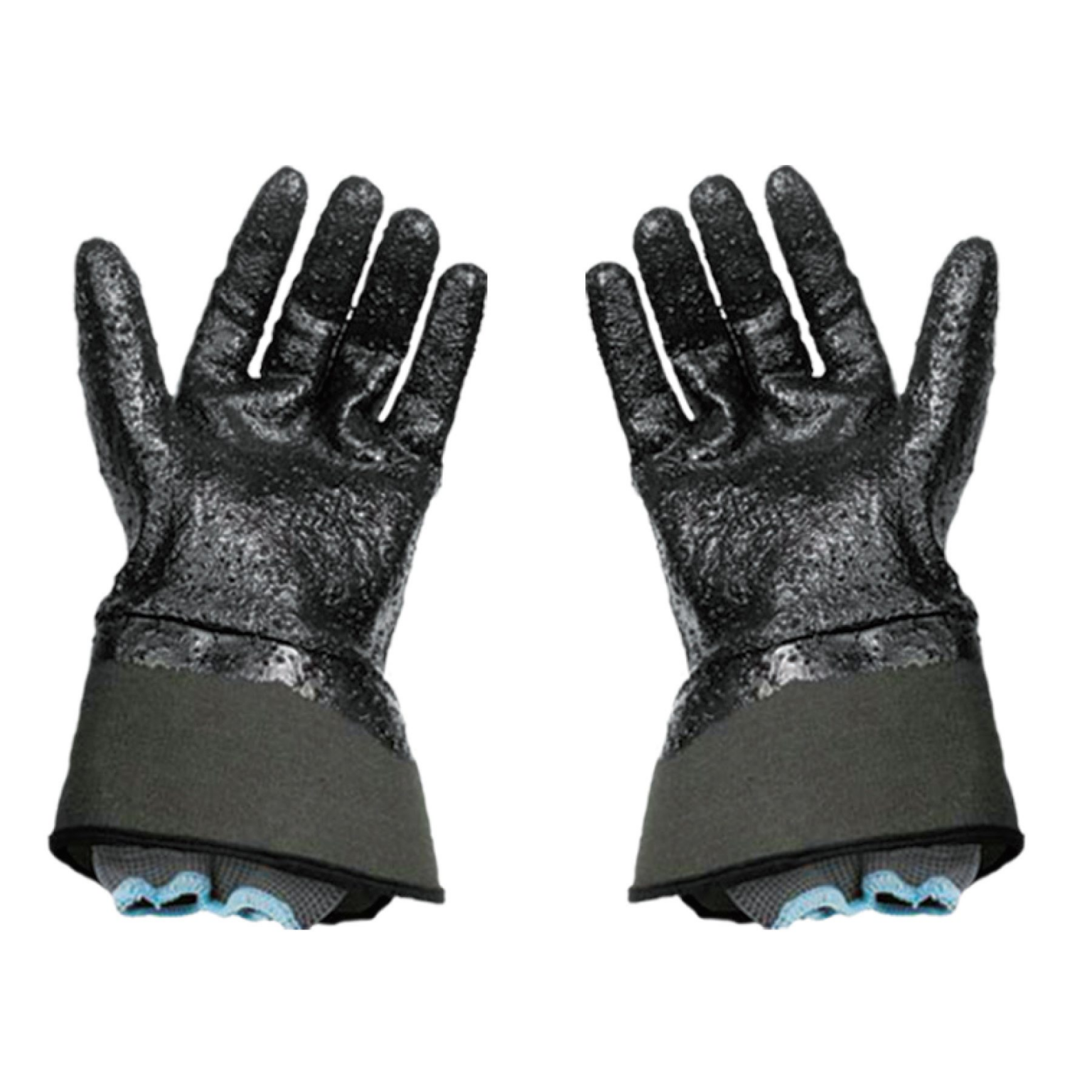
- Safety Gloves: Safety gloves are one of the essential pieces of PPE. These gloves are designed to protect against water strikes, with up to 7500 PSI for rotary jets and 3000 PSI for straight jets. They also protect hands from any flying debris and hazardous substances.
- Safety Jackets, Pants, Aprons, and Coveralls: There are numerous styles of safety apparel designed to protect the body from water strikes. These individual pieces allow operators to find a style that fits their needs and comfort. Pieces can also be mixed and matched to suit the conditions of different jobs.
- High-Visibility Vests and Traffic Cones: Many jetting operators work on roadways in order to access pipe systems through manholes. High-visibility vests, traffic cones, and signs clearly alert drivers to the presence of workers. They are strongly recommended when working on any road, particularly in dark or low-light conditions.
- Safety Boots: Durable and waterproof safety boots protect feet from water strikes. They also provide better traction to reduce the chance of falls in slippery conditions that result from working with pressure washers for plumbing systems.
- Eye, Ear, and Head Protection: Safety goggles, visors, helmets, and ear plugs are additional pieces of PPE used by jetting operators, depending on the nature of the work they are completing. While eyewear is recommended for all jetting operators, other accessories can be optional. Contact US Jetting to learn more about the recommended PPE for plumbing professionals.
In addition to PPE, various safety accessories are designed to prevent accidents and prolong the lifespan of jetting equipment. These tools include:
- Tiger Tails
- Manhole Protector Rings
- Manhole Rollers
- Safety Leader Hoses
Starting with Safety: A Pre-Operation Checklist
Follow this list before starting any jetting jobs:
- Bring all the necessary PPE for yourself and other workers to the site.
- If working on a roadway, use traffic cones and signs to alert drivers that workers are present.
- Closely inspect the hose for any damage, such as rips, kinks, or holes.
- Use a camera to identify the source of a clog. This tool can help operators jet more efficiently and be a crucial safety measure. Camming the line gives professionals a more precise picture of a pipe’s condition so they can proceed accordingly with the correct tools and pressure.
Safe Operation Techniques for Jetting Machines
These tips are essential to keep in mind when a jetter is in operation:
- Ensure you have the right equipment for the job. The hose and nozzle should correspond with the pipe size you will be working in. Additionally, the maximum pressure for these components should not be exceeded.
- Maintain a safe distance from the nozzle when in use.
- Use a reel to manage hoses and prevent tangling or tripping hazards.
- Gradually increase the unit’s working pressure instead of starting at the maximum pressure intended for tough clogs.
- In an emergency, equipment malfunctions, or sudden hose burst, stop the machine immediately using the emergency shut-off.
Post-Operation Safety Procedures for Hydro Jetters
Once a job is completed, be sure to remember these procedures:
- Drain hoses and inspect them for any damage that may have occurred during the job.
- Ensure hoses are properly coiled and stored.
- Remove PPE carefully. These pieces can come in contact with harmful substances and bacteria while jetting and should be stored carefully until they can be disinfected.
Contact US Jetting Today to Ensure a Safe Job Site
From a wide selection of PPE to expert repair recommendations to knowledgeable training, US Jetting is here to help plumbing professionals create a secure environment.
Our team is well-versed in all safety protocols for hydro jetting units. With our assistance, we can answer any questions or concerns to maximize your business’s success out in the field.
To learn more about safety equipment for jetters, call us today.


